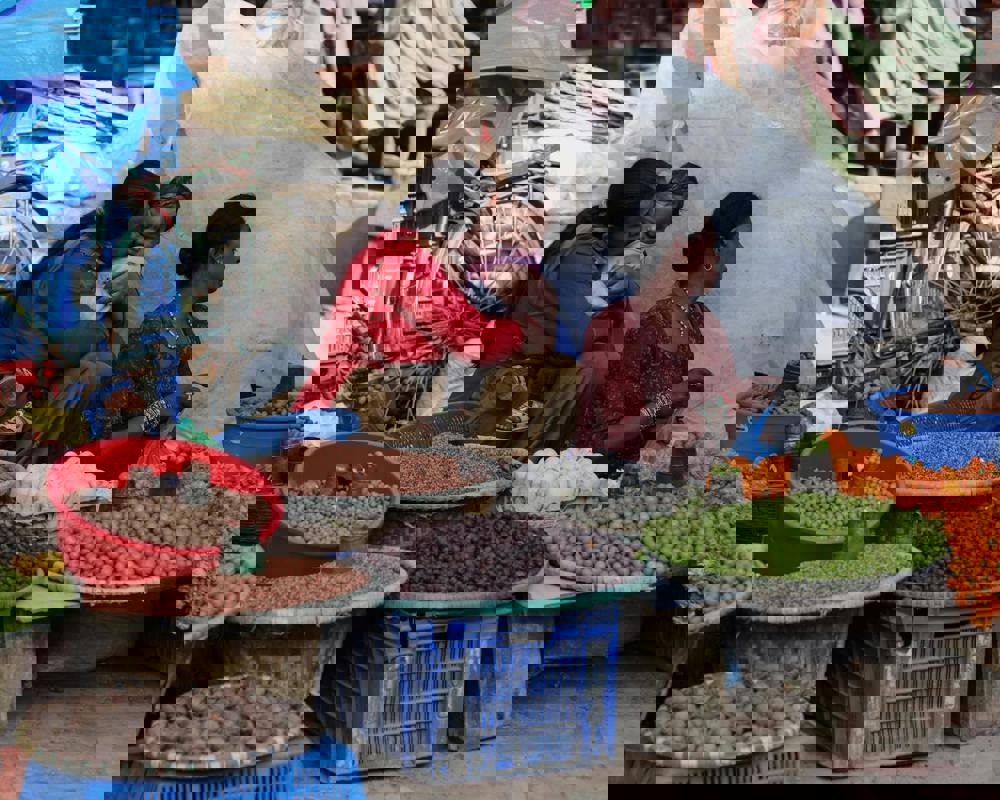
Across Canada, cultural food markets have emerged as community hotspots, drawing residents with their enticing aromas, colorful displays, and welcoming stalls. These vibrant marketplaces celebrate the rich tapestry of local and immigrant cuisines, giving attendees the chance to explore unfamiliar dishes alongside traditional favorites. For many, the experience isn’t merely about tasting new foods, but about connecting with neighbors and learning about the cultural stories behind every meal.
Organizers emphasize that these markets go beyond being simple shopping destinations—they serve as vital platforms for cultural exchange. “Our goal is to bring people together, offering a space where everyone’s heritage is respected and valued,” says Linh Tran, coordinator of a multicultural food bazaar. Visitors often leave with not just groceries, but stories told by passionate vendors representing dozens of countries.
The allure of these markets lies in their diverse offerings. Shoppers can wander through rows of tables showcasing delicacies from Africa, Asia, Europe, the Middle East, Latin America, and more. From Ethiopian injera to Vietnamese banh mi, and from Colombian arepas to Eastern European pierogies, the range of foods available encourages residents to broaden their palates while supporting local entrepreneurs.
For many small-scale chefs and producers, participating in these markets can be a transformative opportunity. As Ibrahim Ahmed, owner of a Syrian dessert stall, notes, “Selling here allows us to reach people we’d never meet otherwise and to share a piece of our heritage.” This direct vendor-to-customer interaction fosters a sense of communal support and helps immigrant families showcase their culinary traditions.
Customers are drawn not only by the flavors but also by the lively atmosphere. Acoustic music, dance performances, and cooking demonstrations often accompany the markets, turning them into festive affairs. Families gather to share meals on communal tables, children sample sweets from distant lands, and neighbors strike up conversations, contributing to a genuine sense of inclusion and belonging.
Economic benefits are also considerable. According to Food Markets Canada, local vendors at cultural markets collectively generate millions in revenues each year, reinvesting much of it back into their communities. These pop-up events often boost foot traffic for nearby businesses and promote awareness of ethnic grocery stores and restaurants that might otherwise remain hidden gems.
Health-conscious shoppers appreciate these markets for their fresh ingredients and homemade fare. Many vendors emphasize organic produce, unique spices, and traditional preparation methods. Dietitian Maria Choi remarks, “These events offer an amazing opportunity to try nutrient-dense foods unfamiliar to many Canadians—like fermented kimchi or grain-based African dishes—that contribute to a healthy, varied diet.”
Education is another key aspect, as cultural food markets often feature workshops about nutrition, sustainable farming, and cooking skills. Such events encourage youth and adults alike to learn how food is prepared in different countries, fostering greater appreciation for both global diversity and local agriculture. These hands-on experiences can spark curiosity and bridge generational and cultural divides.
The markets are also lauded for advancing social causes, with many collaborating with charities and food banks. Some events dedicate profits to support refugee programs or community kitchens, making each purchase meaningful beyond the culinary delight. Market manager Olivia Brown shares, “Every market, we set aside a portion of proceeds for local food security initiatives. Our shoppers are proud to know their support has a positive ripple effect.”
As seasonal weather arrives, outdoor markets flourish, attracting larger crowds and a wider variety of vendors. In response to growing demand, many municipalities now help facilitate permits and advertising, and offer start-up grants to new stallholders. This municipal support allows more aspiring cooks and food artists to launch businesses, sustaining the market’s diversity and dynamism year-round.
Ultimately, these cultural food markets have become pillars of their neighborhoods. They offer far more than gastronomic exploration; they foster dialogue, unity, and opportunities for economic advancement. As Canadian cities grow ever more diverse, the popularity and impact of these markets are expected to rise, drawing new generations eager to share, savor, and celebrate the rich flavors of their communities.